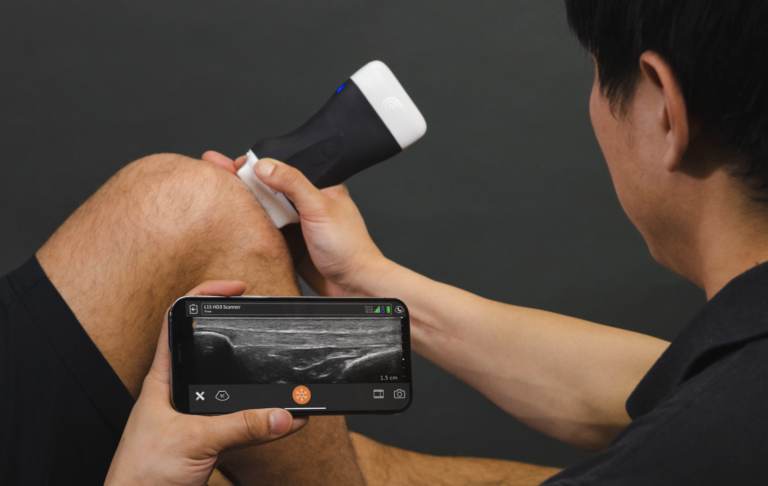

Orthopedic care plays a pivotal role in maintaining the health and functionality of our musculoskeletal system. From managing chronic conditions like arthritis to addressing acute injuries, orthopedic specialists are at the forefront of ensuring mobility and quality of life for millions of people worldwide. However, one size does not fit all when it comes to orthopedic treatment. Personalization is key to effective care, as it allows healthcare providers to tailor treatment plans to individual needs. In this blog post, we’ll delve into the significance of personalized orthopedic care and provide insight into what patients can expect during their consultation.
Understanding Personalized Orthopedic Care
Personalized orthopedic care involves customizing treatment plans to suit each patient’s unique condition, lifestyle, and preferences. This approach acknowledges that no two individuals are alike and that what works for one person may not be suitable for another. By taking into account factors such as age, activity level, medical history, and personal goals, orthopedic specialists can develop comprehensive treatment strategies that maximize effectiveness and minimize risks.
Advanced diagnostic techniques, such as MRI scans and CT scans, play a crucial role in personalized orthopedic care by providing detailed insights into the underlying causes of musculoskeletal issues. Armed with this information, healthcare providers can make informed decisions about the most appropriate course of action for each patient, whether it involves conservative treatments like physical therapy and medication or more invasive interventions like surgery.
The Consultation Process: A Step-by-Step Guide
- Appointment Scheduling: Ensuring timely consultation is essential for addressing orthopedic issues before they worsen. Patients are encouraged to schedule appointments promptly to avoid unnecessary delays in treatment.
- Pre-Consultation Preparation: Before the consultation, patients should gather relevant medical records, including previous imaging scans, medication lists, and any relevant medical history. It’s also helpful to prepare a list of questions or concerns to discuss with the orthopedic specialist.
- Meeting the Orthopedic Specialist: During the consultation, patients will meet with their orthopedic specialist, who will begin by introducing themselves and their team. Establishing a rapport and building trust with the patient is essential for effective communication and collaboration throughout the treatment process.
- Medical History and Physical Examination: The orthopedic specialist will conduct a comprehensive review of the patient’s medical history and perform a thorough physical examination to assess the musculoskeletal system. This step helps identify any underlying issues and guides further diagnostic testing, if necessary.
- Diagnostic Tests and Imaging: Based on the initial assessment, the orthopedic specialist may recommend additional diagnostic tests, such as X-rays, MRI scans, or CT scans, to gather more detailed information about the patient’s condition. These imaging studies play a crucial role in accurate diagnosis and treatment planning.
- Discussion of Treatment Options: Once a diagnosis has been made, the orthopedic specialist will discuss the available treatment options with the patient, taking into account their unique circumstances and preferences. This may include conservative treatments such as physical therapy, medications, or injections, as well as surgical interventions if deemed necessary.
- Addressing Patient Concerns: Throughout the consultation, the orthopedic specialist will encourage open communication and address any questions or concerns the patient may have about their condition or treatment plan. It’s essential for patients to feel empowered and informed about their healthcare decisions.
Benefits of Personalized Orthopedic Care During Consultation
Personalized orthopedic care offers numerous benefits to patients, including:
- Empowerment through understanding: Patients are actively involved in their treatment decisions, leading to a sense of empowerment and ownership over their health.
- Improved treatment outcomes: Tailored treatment plans are more likely to achieve positive results and promote faster recovery, leading to improved quality of life.
- Enhanced patient experience: A compassionate and individualized approach to care fosters trust and confidence in the healthcare provider, resulting in a more positive overall experience for the patient.
Takeaway
Personalized orthopedic care is essential for optimizing treatment outcomes and improving the patient experience, especially during an orthopedic consultation. By customizing treatment plans to individual needs and preferences, orthopedic specialists can provide comprehensive care that addresses the root causes of musculoskeletal issues and promotes long-term health and mobility. If you’re experiencing orthopedic concerns, don’t hesitate to schedule a consultation with a qualified specialist to discuss your options and take the first step toward better musculoskeletal health.