In the realm of modern healthcare, diagnostic imaging plays a pivotal role in unraveling the mysteries of the human body. Among the arsenal of imaging techniques stands computed tomography, more commonly known as CT scans. These sophisticated procedures utilize X-ray technology and advanced computerized processing to produce detailed cross-sectional images of the body, offering invaluable insights into a myriad of medical conditions. Let’s delve deeper into the world of CT scans and uncover their significance in the realm of healthcare.
What is a CT Scan?
CT scans, short for computed tomography, are advanced imaging procedures that utilize X-ray technology to create detailed cross-sectional images of the body. By combining X-rays with computerized processing, CT scans provide clinicians with precise and detailed anatomical information, making them indispensable tools in the diagnosis and management of various medical conditions.
Uses and Applications of CT Scans
The versatility of CT scans is truly remarkable, as they can be employed to diagnose a wide array of medical conditions. From detecting fractures and tumors to assessing internal injuries and diseases, CT scans offer clinicians a comprehensive view of the body’s internal structures. Whether it’s identifying the location and extent of a fracture or pinpointing the presence of a malignant tumor, CT scans play a vital role in guiding treatment decisions and improving patient outcomes.
Preparing for a CT Scan
Before undergoing a CT scan, it’s essential to prepare adequately to ensure a smooth and successful procedure. Patients are advised to inform medical staff of any allergies, particularly to iodine or contrast dye, as well as any pregnancy or kidney issues. Depending on the type of CT scan being performed, a fasting period may be required, and patients may need to abstain from consuming food or beverages for a specified duration. Additionally, certain CT scans may involve the use of contrast material, which can enhance the visibility of certain structures or abnormalities. It’s crucial for patients to follow any specific instructions provided by medical staff to ensure optimal imaging quality and safety.
What Happens During a CT Scan?
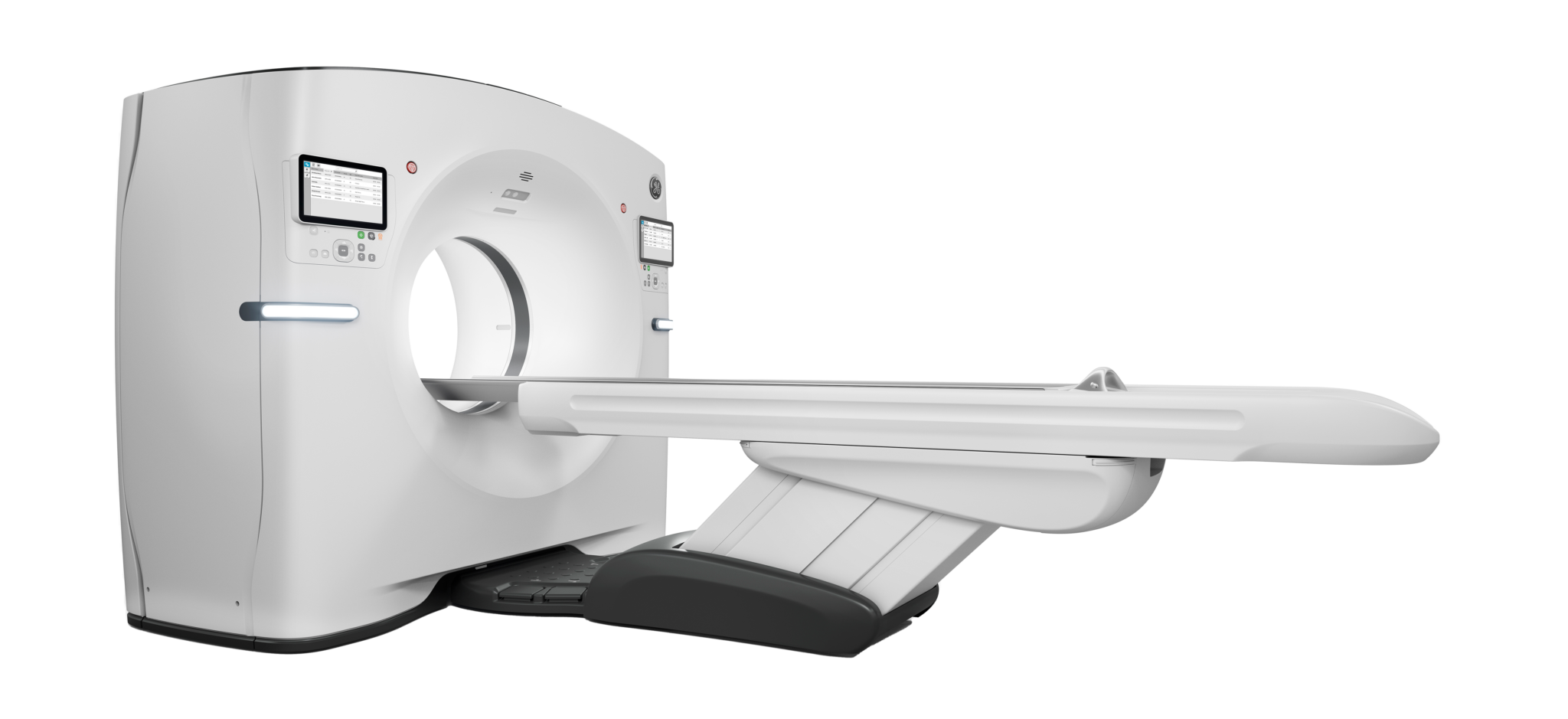
During a CT scan, patients will be asked to change into a hospital gown and remove any metal objects, jewelry, or accessories that may interfere with the imaging process. Depending on the specific requirements of the scan, patients may receive contrast dye either orally or through an IV line. The scan itself involves lying on a comfortable table that moves through the CT machine, while multiple X-ray beams rotate around the body to capture cross-sectional images from various angles. It’s important for patients to remain still during the imaging process to ensure clear and accurate results.
Post-Scan: Accessing Results
Following the CT scan, patients can expect their images and reports to be digitally accessible for review. Upon request, results can be printed, although additional charges may apply for this service. If the CT scan was referred by a healthcare provider, the results will be promptly sent to them for review and discussion with the patient. This ensures that patients receive timely and comprehensive follow-up care based on the findings of the CT scan.
Benefits and Considerations of CT Scans
CT scans offer numerous benefits, including their non-invasive nature and ability to provide detailed imaging of internal structures. However, it’s important to be aware of potential risks or considerations associated with CT scans, such as exposure to radiation and the possibility of allergic reactions to contrast dye. Patients should discuss any concerns or questions with their healthcare provider to ensure they are well-informed about the benefits and potential risks of undergoing a CT scan.
Takeaway
CT scans represent a cornerstone of modern diagnostic imaging, offering clinicians invaluable insights into the complexities of the human body. From diagnosing fractures and tumors to evaluating internal injuries and diseases, CT scans play a crucial role in guiding treatment decisions and improving patient outcomes. By understanding the process of undergoing a CT scan and the importance of proper preparation and follow-up care, patients can take an active role in their healthcare journey and ensure the best possible outcomes.